Six Mile Run Reservoir Site
From JORBA
Contents |
[edit] Overview
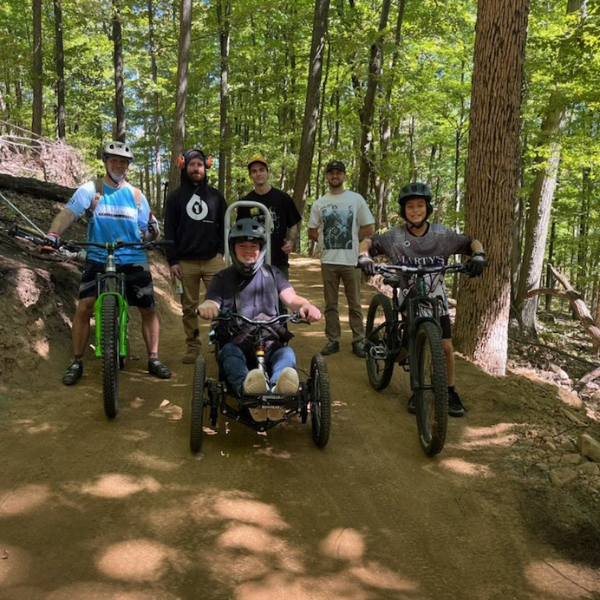
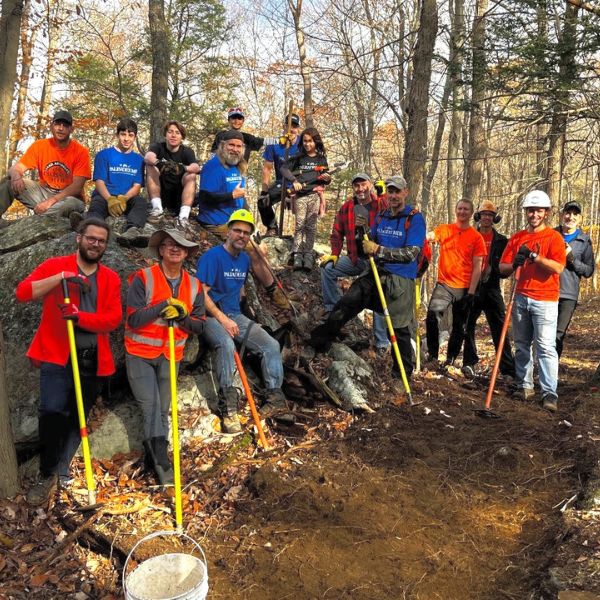
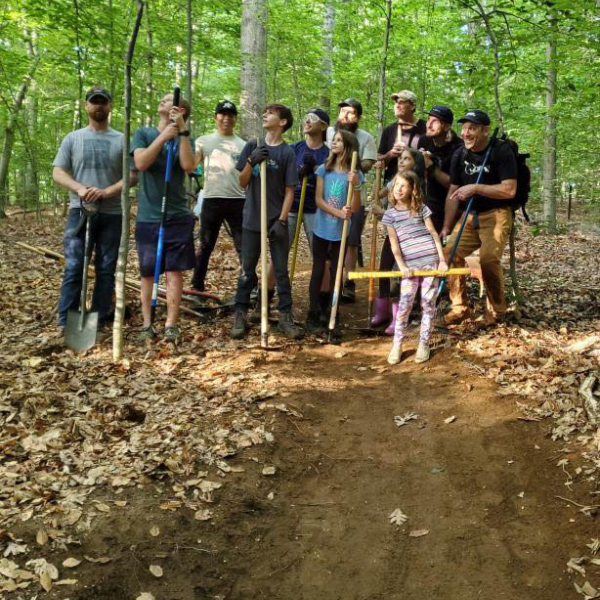
Jason Fenton of Halter's and local rider Jason "Wobbegong" Pace co-lead the Six Mile Run chapter and keep the trails clean, clear, and super fun. In 2007, JORBA adopted the group as an official JORBA chapter and the park is maintained regularly by our local volunteer trail crew.
All of the trails at Six Mile Run are open to multi-use. This is something we are very proud of. In the past, the park had trails that did not allow cycling. Through our efforts, working as a team with the park staff, we were able to change the status of all trails to multi-use. Hikers, Bikers and Equestrians are all equally welcome.
[edit] Trail Maintenance Schedule
Information about upcoming trail maintenance sessions can be found here.
[edit] Location
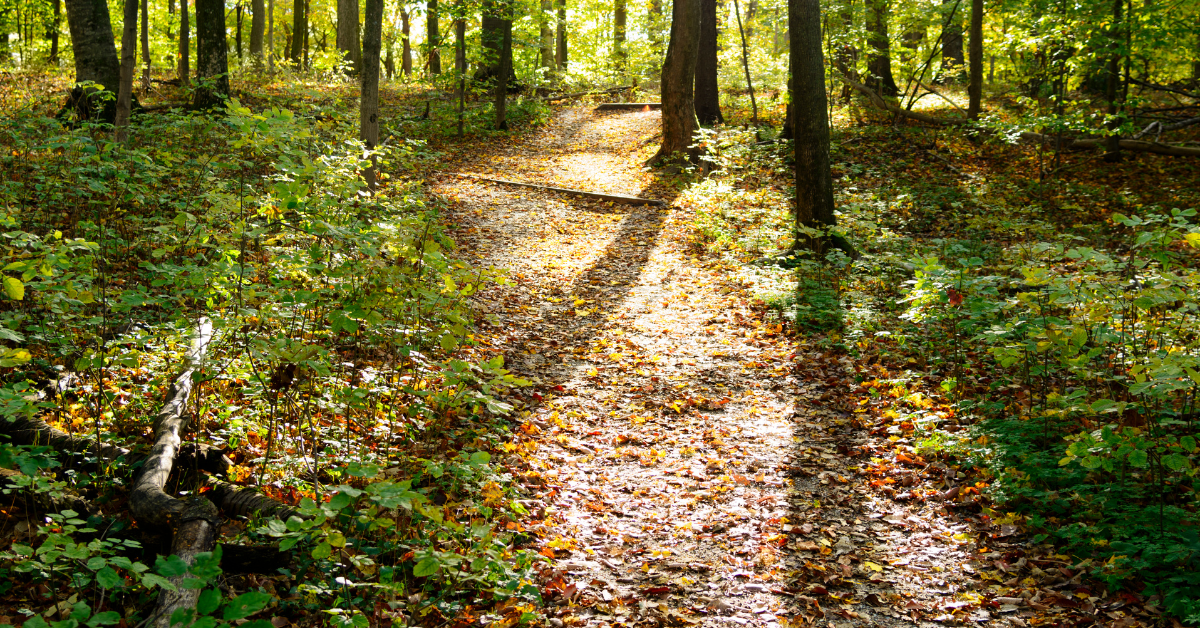
The Six Mile Run Reservoir Site, part of Delaware & Raritan Canal State Park, is one of Central New Jersey's most hidden recreational resources for hiking, biking, and horseback riding. The 3000 acre reservoir site, rich in cultural and historic significance, is also a valuable oasis of wetlands, forests, farmlands and old fields. Parking is available at three locations at Six Mile Run. These spots are loacted on Rt. 27, Jaques Lane and Canal Road. See our map below their specific locations.
If your looking for a longer ride, parking is available in multiple spots in the Princeton area along the Canal Path. You can easily access Six Mile run from the canal path, since it sits next to the Blackwells Mills Road crossing. See this Canal Path Mapfor more information.
Here is a list of GPS coordinates for parking locations along the canal. If you decide to add some canal riding to your journey, we suggest approaching Six Mile Run from the Princeton area, since its the nicest section of the canal for riding.
[edit] Trail Maps
JORBA volunteer Rob Blash has produced a great map available to the right. This is the easiest map to read if you are looking to see the whole park in one single map. JORBA wishes to thank Rob Blash for this fine piece of work.
This Canal Path Map is very useful if you want to access Six Mile Run from the tow path.
[edit] Trail Descriptions
[edit] Red Trail - 3.9 Miles
This trail runs from the Jaques lane parking lot to the Rt. 27 lot. It crosses Middlebush Road. It is the straightest path for access between the two lots. This trail allows users to avoid the twisty section of the orange trail. There is a section of trail that runs from the current red trail to Canal road. This unmarked section of "former red trail" is no longer recognized by the park staff.
[edit] Blue Trail - 3.8 Miles
This trail runs from the Canal lot to where it connects with the Red trail near Middlebush Road. JORBA has added many new sections along this trail, with the permission and help of the park staff. This section has improved greatly over the years and offers a diverse riding experience
[edit] Orange Trail - 1.7 Miles
Welcome to the twisties! Around and around she goes, where it stops nobody knows! Twists, turns, berms and bears.... Oh my! This section of trail twists and turns with plenty of berms. Come and hone your cornering skills. Ever notice how Six Mile Locals corner like they're on rails? This section is why.
[edit] White Trail - 1.3 Miles
This singletrack trail runs from the Red trail to the Jagues Lane Lot. This trail was Created by JORBA volunteers and offers some great riding with small elevation changes and some great bench cut trails. It ends with a Singletrack ride through some open meadow and scrub brush.
[edit] Yellow Trail
This Straight Intermediate trail along the water with cool features here... and there... This trail is in a flood plain and isnt ridable except for times of serious drought. It has been removed from our maps and the park and JORBA do not maintain it any longer. This section is best avoided.
[edit] Recommended Loops
[edit] "The Full Loop - 14.5 Miles"
From the Rt. 27 parking Lot: Follow red trail, to orange, back to red (right on red) to Middlebush Road. Cross road, follow red. Turn left on white trail, cross wooden bridge and go straight up the hill at the 1st intersection. Follow the white to lot on Jaques Lane. Follow red from lot to rear corner where trail turns right, look left for an unmarked trail head. Follow to Canal Road (along water). Right on Canal Road (careful! Watch for traffic when exiting the trail onto Canal Road.) to lot on right. Look for blue trail head marker on your left when heading up the lots driveway, follow blue back into the red trail and then back to Middlebush Road. Cross Middlebush Road, follow red to orange, back into to red, to lot on Rt. 27.
[edit] GPS Tracks
[edit] "The Full Loop"
Follow this for a GPS guided tour. This is a GPS track of the ride description above. This leaves out of the Rt. 27 lot.
[edit] History
[edit] Canal Path
During the early nineteenth century, when the United States entered into the industrial revolution, canals were built as transportation routes to link resources, manufacturing centers and markets. The D&R Canal was built across central New Jersey to provide an efficient and safe route for transporting freight between Philadelphia and New York.
Since boats could navigate the Delaware River to Bordentown and the Raritan River to New Brunswick, those two cities were selected as the canal's two terminuses. To supply water to the main canal at its highest elevation in Trenton, a feeder canal was dug from Bull's Island on the Delaware River south to Trenton.
Construction of the D&R Canal began in 1830. Laborers - the majority of whom are believed to have been migratory Irish immigrants - were hired to dig, mostly by hand, the main canal and its feeder. The main canal was 44 miles long, 75 feet wide and 7 feet deep. The feeder was 22 miles long, 50 feet wide and 6 feet deep. The canal system was completed in 1834 at an estimated cost of $2,830,000.
By the end of the 19th century, canal use was declining throughout the country. The speed and power of the railroad overtook the romance of the canal era. The D&R Canal's last year of operation at a profit was 1892, but is stayed open through the 1932 shipping season. After the canal closed, the State of New Jersey took it over and rehabilitated it to serve as a water supply system - a purpose it still serves today.
In 1973, the canal and its remaining structures were entered on the National Register of Historic Places. In 1974, over 60 miles of the canal and a narrow strip of land on both banks were made a state park. A portion of the Belvidere-Delaware Railroad corridor from Bull's Island to Frenchtown was added to the park in the 1980s. The park's trail system was designated a National Recreation Trail in 1992.
With its 19th-century bridges, bridgetender houses, past and present locks, cobblestone spillways and hand-built stone-arched culverts, the canal is a tremendous attraction for history lovers. The upper reach of the feeder canal wanders through quaint New Jersey towns along the Delaware River such as Stockton and Lambertville. The main canal passes the Port Mercer canal house, through the charming village of Griggstown to Blackwells Mills, ending up in New Brunswick. Canoes can be rented at Griggstown and Princeton from private concessionaires.
Most of the canal system remains intact today and is a reminder of the days when the delivery of freight depended upon a team of mules or steam tugboats. Nearly 36 miles of the main canal and 22 miles of the feeder canal still exist, with the former mule tow path along side it offering many miles of flat hardpack for cycling, hiking and horseback riding. There are many historic structures to see along the canal.
[edit] Six Mile Run Reservoir Site
The Six Mile Run Reservoir Site has a rich cultural history. Today, you can still find 18th century farmhouses, Dutch-framed granaries and barns that tell the story of the first Dutch settlers who inhabited the area in the 1700s. Farming has always played a significant part here, providing agricultural goods as well as a sense of rural charm. Currently, much of the land is leased to the public for agricultural purposes. The remaining acreage consists of forested lands and open fields creating a habitat for a variety of plants and wildlife.
The land was first acquired by the State of New Jersey in 1970 by the NJ Department of Environmental Protection, Division of Water Resources as a future reservoir site to serve as both a water supply and a recreational area for the public. In 1993 alternative water supply sources were discovered and the administration of the property was transferred to the New Jersey Division of Parks and Forestry.
Six Mile Run Reservoir Site has remained an oasis of farm fields and forests in an ever expanding community. We encourage you to take the opportunity to experience the beauty of this unique area.
[edit] Contact Us
Do you have a question or concern? Feel free to contact us via e-mail. We'd love to hear from you!